Roof repair is what lets buildings stay solid enough for visual arts work to actually happen and start shifting how people see things. Murals, rooftop installations, and community pieces all need that stable surface if they are going to reach anyone and register real changes in awareness after a set time. Skip that foundation and even a sharp idea can lose its chance before it connects.
Timelines for the work matter a lot once art plans are underway. A basic inspection and the fixes that follow usually take two to four weeks. Artists get a clear window to keep going without losing momentum. Teams line up those dates with the opening so more people turn up and the reach feels stronger. Slip past that window and the rest of the schedule starts to fall apart.
Repair Steps That Keep Art Projects Moving
The work goes smoother when it stays tight and avoids long delays. Crews begin by looking over the full surface for leaks or worn spots. Bad areas get replaced with materials meant to last years, then sealants go on to handle the weather. What is left is a surface ready for added weight from the art and good for five years at least without more attention. That stability means crews can mount frames or panels without extra bracing that eats into setup days. Artists then focus on color choices and spacing rather than worrying about shifts during install.
– First look at the roof happens inside a day of the request.
– Small patches finish inside two days if the problem is limited to one area.
– Full replacement gets scheduled only after checks show a simple fix won’t reach the five-year mark.
– Water tests confirm everything holds before the job is handed over.
Those moves usually keep the whole thing under a month, so attention can shift to the art side right after. Artists often talk about the relief they feel stepping onto a finished roof, free to think about placement instead of worrying over the next storm.
How Murals and Sculptures Change What People Notice
Visual work starts to move public opinion once it sits on roofs that have been properly cared for. Murals focused on economic gaps have brought a clear rise in program sign-ups inside six months. Sculptures on environmental topics have sparked talks that reached decision makers inside three months. None of that sticks without a roof that keeps the piece in place. A steady base underneath means the message stays visible longer and catches eyes that might otherwise pass by.
Load Ratings and Why They Count
Artists and crews often return after the first setup. The roof must carry foot traffic, added hardware, and weather without giving way or letting water in. Skip a solid load check and mid-project repairs eat into display time and budgets. Crews sometimes end up weighing choices on the spot, under limited daylight, wondering if a quick fix will last or if the piece needs to come down sooner. A concrete case shows up when wind picks up and hardware starts to pull, forcing a pause that cuts into the first viewing weekend.
Everything rests on surfaces that can take the weight. Pieces placed on roofs that meet those standards show no detachment over two-year checks. That steadiness lets organizers track attendance, coverage, and next steps instead of chasing structural problems.
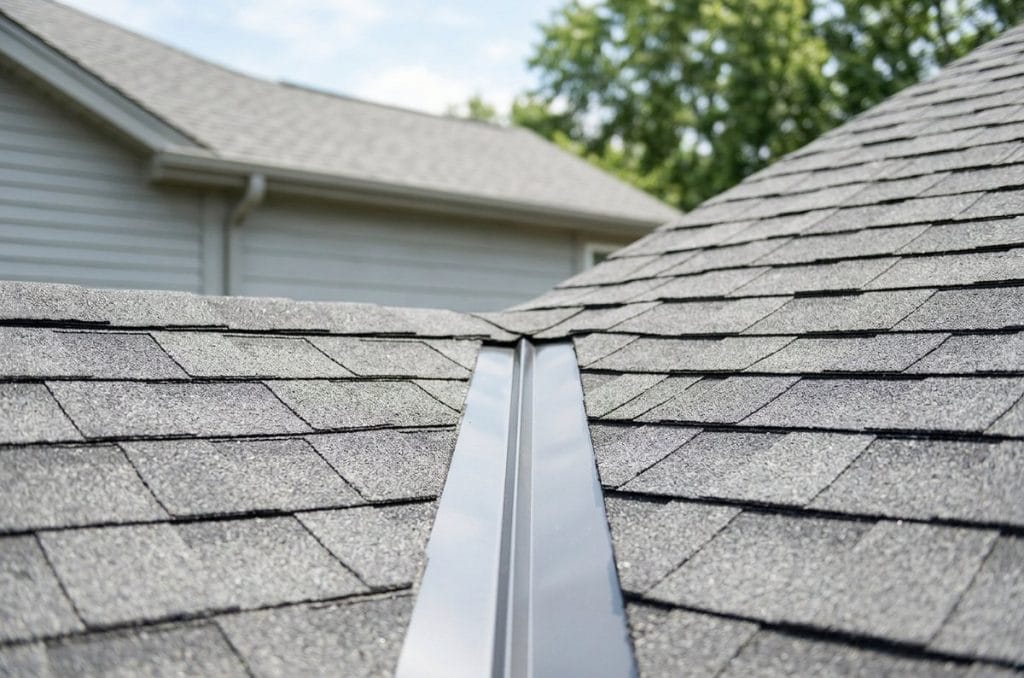
Aligning Roof Work With Art Schedules
Timing works when roof dates match the art calendar. Choose a licensed crew that holds to set finish dates and sends updates every three days. Without that the opening can slide into a quiet season when fewer people show and the planned talks never really take hold.
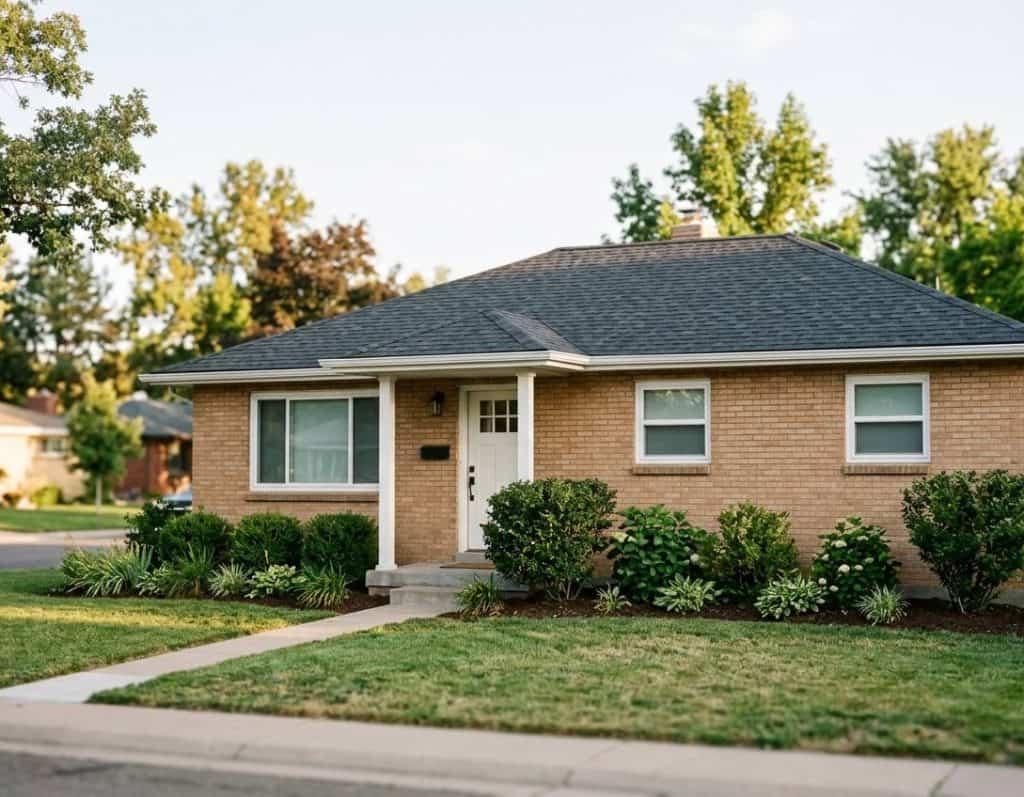
Teams reach these results by picking materials that match the expected loads from scaffolding or display gear. They also hand over written warranties that cover the campaign length, often thirty-six to sixty months. Those promises cut the guesswork and let budgets go straight to outreach instead of surprise fixes.
One route that fits the need is MDS Roof Doctors. Their approach focuses on clear dates and records from the first visit to final sign-off.
That kind of forward planning cuts last-minute scrambles. It also means fewer rushed calls to volunteers who counted on a steady schedule.
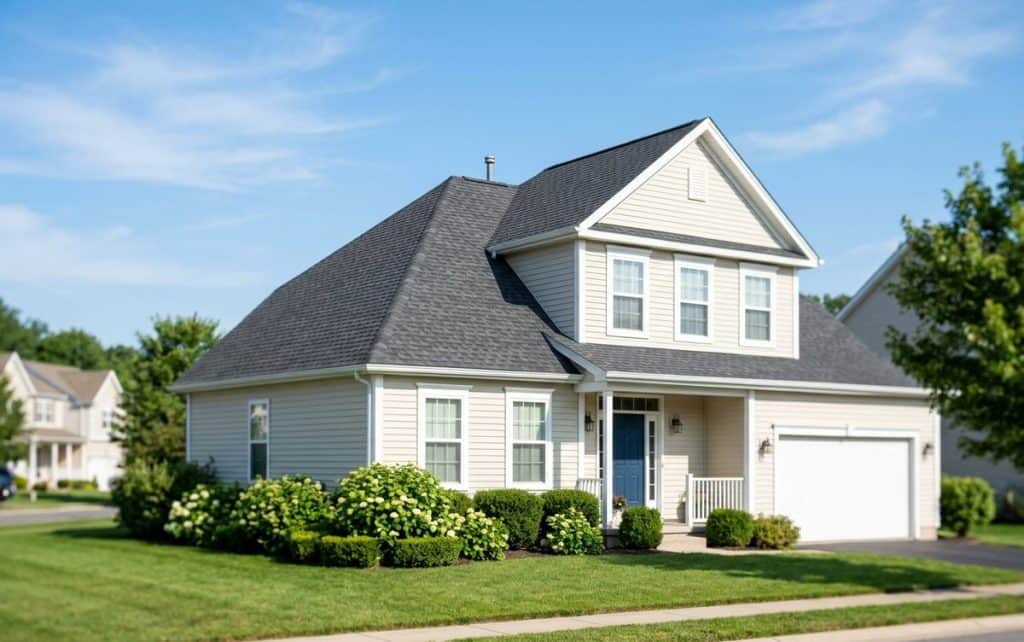
Tracking Outcomes From Roofing and Art Work Together
Results show up through a few clear markers. Count distinct visitors during the first ninety days. Note how many local groups start similar projects in the year after. Watch for policy mentions or added funding linked to the artwork. Repaired roofs help by removing downtime that would shorten the display window. This extra time lets messages settle into daily routines for people passing by, turning one time viewers into repeat mentions that build the original intent. One added month of visibility can turn a brief mention into something that keeps moving through community circles.
Numbers from several sites show professionally maintained roofs add about eighteen months of usable display time over untreated ones. That extra span multiplies exposure and supports the push for more funding rounds.
Choosing Materials for Longer Art Placement
Material picks should rest on load capacity and how well the surface works with art needs, not just the lowest upfront price. Reinforced membranes handle repeated access for install and upkeep crews. Metal panels give flat spots for signage. Both choices cut follow-up service calls when quality controls are in place from the start.
Budget plans should set aside fifteen to twenty percent of total funds for the roof portion. That portion keeps the structure solid through the campaign and after, protecting the visual message investment. Shortchange it and later repairs tend to cost more in money and lost ground.
Pitfalls That Slow Social Impact
Steer clear of crews without written schedule promises. Projects that skip this step often face three-week delays and lose up to thirty percent of the first audience. Another common misstep is using materials below the needed load rating, which forces mid-campaign fixes that break public access. Those breaks snap the thread viewers were following, and interest rarely rebuilds at the same speed.
Planning that ties roof milestones directly to art rollout dates removes these issues. The outcome is a steady display window that gets the most from the planned social effects inside the original timeframe.

Richard is a lifelong health enthusiast who has been studying supplements, nutrition, and exercise for over 20 years. He loves to try out new products and report his experience with them.

