Pest control is one of America’s most essential home service industries. From termites silently destroying wooden structures to ants invading kitchens and rodents nesting inside attics, millions of American homeowners face pest problems every year.
These persistent threats have helped turn pest control into a multibillion-dollar industry, supporting thousands of businesses across the United States. Unlike some home improvement services that homeowners can postpone, pest infestations often require immediate attention.
As urban development expands, temperatures fluctuate, and pests adapt to changing environments, the demand for professional extermination and prevention services remains strong.
Homeowners are also increasingly recognizing the value of working with experienced local pest management providers. Companies such as Fenn Pest Control represent the type of professional pest control resource consumers can turn to when seeking help with unwanted pests.
Termites: The Silent Destroyers of American Homes
Termites are among the most financially destructive pests in the United States. These wood-consuming insects can remain hidden inside walls, foundations, and structural supports for years before homeowners notice visible damage.
Termites and other wood-destroying organisms cause billions of dollars in damage and treatment expenses annually across the country.
Termite activity is particularly prevalent in warm, humid regions, including:
- Florida: Year-round termite activity, including aggressive subterranean and drywood termite species.
- Texas: Significant termite pressure in Houston, Dallas, San Antonio, and other metropolitan areas.
- Louisiana: Warm temperatures and high humidity create favorable conditions for destructive termite colonies.
- Georgia: Subterranean termites threaten homes throughout Atlanta, Savannah, and surrounding communities.
- South Carolina: Coastal humidity and relatively mild winters support extensive termite activity.
But termites aren’t exclusively a Southern problem. States such as California, Tennessee, North Carolina, and even portions of the Midwest experience costly termite infestations.
Professional termite control frequently involves inspections, soil treatments, baiting systems, structural protection, and ongoing monitoring. Because termite damage can be extensive and homeowners may need long-term protection, termite services represent a valuable segment of the pest control industry.
Ant Control: Small Insects, Enormous Demand
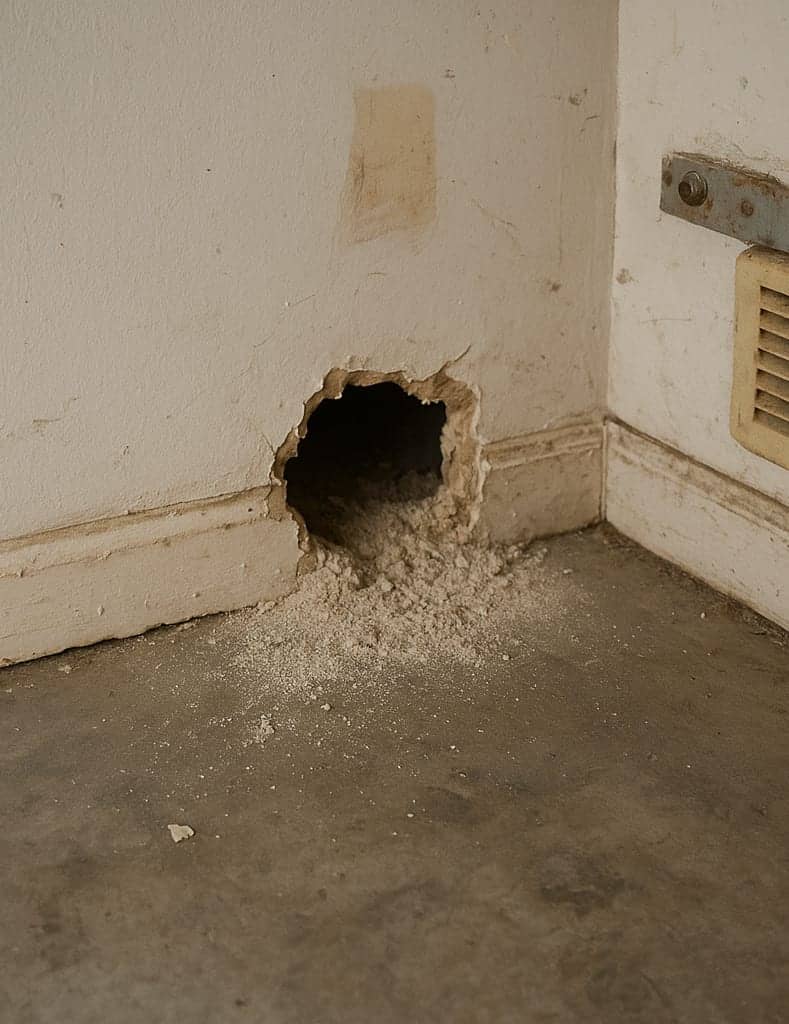
Ants may be tiny, but their sheer numbers make them one of the most common household pest complaints nationwide. From pavement ants entering homes through foundation cracks to carpenter ants nesting in moisture-damaged wood, ant infestations affect both residential and commercial properties.
Some of the most troublesome ant species include:
- Carpenter ants: Known for excavating galleries inside wood, potentially damaging building materials.
- Fire ants: Especially problematic in the Southern United States, where their painful stings create health and safety concerns.
- Odorous house ants: Common household invaders that can form persistent colonies.
- Argentine ants: Particularly troublesome in parts of California and the Southeast.
- Pharaoh ants: Difficult-to-control indoor pests that can establish multiple colonies inside buildings.
Ant control demand varies considerably by geography. Florida, Texas, Georgia, and other Southern states experience extended periods of ant activity because of their warmer climates. Northern states such as Michigan, Ohio, Illinois, and Wisconsin often see pronounced increases in ant-related service requests during spring and summer.
Although individual ant treatments may cost less than extensive termite remediation, the frequency of infestations and recurring treatment needs make ants an important source of revenue for extermination companies.
Rodent Control and Geography’s Impact on Pest Activity
Rats and mice are another major driver of pest control demand across the United States.
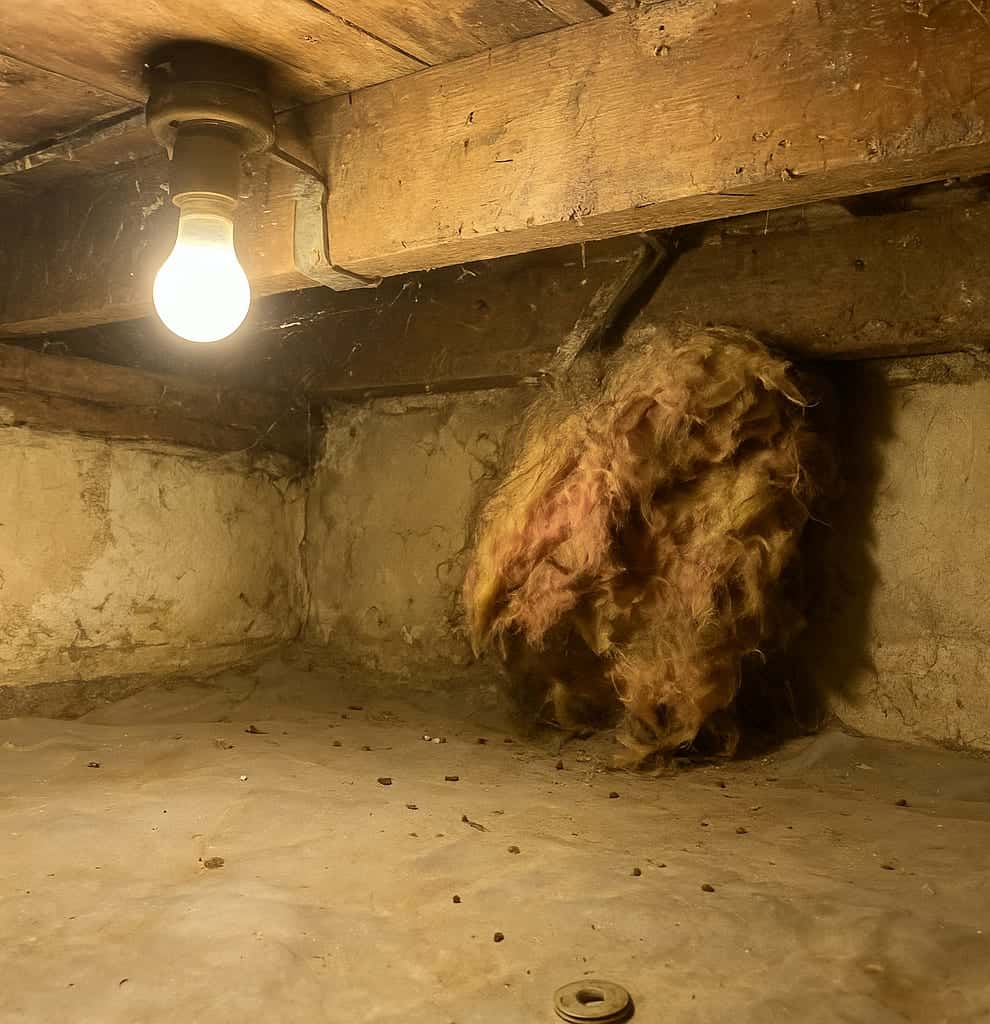
Rodents can contaminate food, damage insulation, chew electrical wiring, and spread pathogens. Their ability to reproduce rapidly makes early intervention particularly important. Major metropolitan areas such as New York City, Chicago, Los Angeles, Philadelphia, and Boston face persistent rodent problems, but infestations aren’t limited to densely populated urban neighborhoods. Suburban homes, rural properties, warehouses, restaurants, and commercial buildings also provide attractive environments for rats and mice.
Rodent activity changes with the seasons, but the need for professional control rarely disappears completely. In colder climates, mice and rats frequently seek shelter indoors as outdoor temperatures decline, which creates increased opportunities for rodent exclusion, trapping, and removal services during fall and winter. In warmer regions such as Arizona, Nevada, Florida, and Southern California, rodent problems can remain active throughout the year.
Professional rodent control services commonly include:
- Rat and mouse trapping
- Rodent extermination
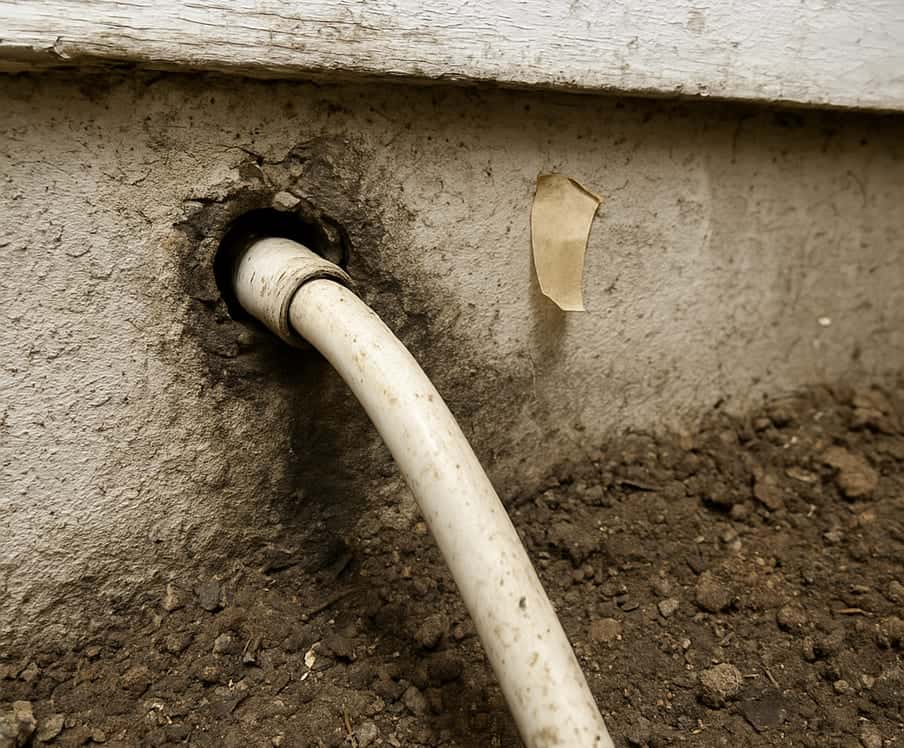
- Entry-point sealing and exclusion
- Attic and crawlspace inspections
- Rodent-contaminated insulation removal
- Sanitation recommendations and prevention
Unlike treatments that focus primarily on eliminating insects, effective rodent control often requires physical improvements to a property to prevent animals from returning. This combination of removal, exclusion, and restoration can make rodent control a substantial revenue opportunity for pest management businesses.
How Geography Shapes Pest Control Demand
One of the most interesting aspects of the pest control industry is how dramatically pest activity varies between regions.
States such as Florida, Georgia, Alabama, Louisiana, and South Carolina face substantial pressure from termites, ants, mosquitoes, and cockroaches. Warm temperatures and humidity allow many pest species to remain active for much of the year.
New York, Massachusetts, Pennsylvania, and New Jersey experience significant rodent activity, especially in older urban buildings and densely populated neighborhoods. Seasonal ant invasions, bed bugs, and other household pests also contribute to service demand.
Michigan, Ohio, Illinois, Indiana, and Wisconsin experience pronounced seasonal changes in pest activity. Ants become particularly noticeable during warmer months, while rodents frequently enter buildings as temperatures fall.
Arizona, Nevada, New Mexico, and portions of Texas face pest challenges associated with desert and semi-arid environments. Roof rats, scorpions, ants, termites, and other species can create year-round demand, although individual pest populations vary by location.
California supports a diverse pest control market, with termites, rodents, ants, and other pests affecting homes across its coastal, inland, and metropolitan regions. Its large population and extensive housing inventory help sustain demand for both residential and commercial pest management.
Other Pests Contributing to America’s Pest Control Economy
Although termites, ants, and rodents generate significant demand, several additional pest categories contribute to the industry’s overall size.
Cockroaches remain a major concern in apartment buildings, restaurants, hotels, and residential properties. Their ability to reproduce quickly and survive in concealed spaces makes professional treatment important.
Bed bugs create another specialized market. Infestations can occur in homes, hotels, dormitories, and multifamily housing, often requiring extensive inspections and repeated treatments.
Mosquitoes generate strong seasonal demand, particularly in humid regions where outdoor living spaces and standing water provide breeding opportunities.
Spiders, wasps, fleas, and ticks further expand the range of services offered by pest control companies. Many businesses address these problems through recurring service plans, allowing homeowners to receive preventive treatments throughout the year.
Why Pest Control Is Such a Valuable Industry
Several characteristics distinguish pest control from other home service sectors.
First, pest infestations frequently create urgency. A homeowner discovering rats in the attic or termites near a foundation may be unwilling to wait months before seeking assistance. Second, pest problems are recurring—even after an infestation has been eliminated, future activity can require additional treatment or preventive maintenance.
Third, pest control serves a broad customer base. Single-family homeowners, apartment managers, restaurants, hotels, warehouses, schools, and healthcare facilities all require pest management services. And recurring maintenance agreements provide businesses with more predictable revenue than industries that depend entirely on one-time projects.
These factors have helped establish pest control as a durable segment of the American service economy.
Professional Pest Management and Long-Term Prevention
Successful pest management involves more than simply eliminating visible insects or rodents. Identifying entry points, reducing moisture, addressing sanitation issues, and monitoring for recurring activity are all important parts of protecting a property.
The broader field of pest control encompasses physical, biological, and chemical methods, often combined through integrated pest management strategies designed to address infestations while limiting unnecessary treatments. For homeowners, preventive maintenance and timely inspections can help identify problems before they develop into expensive infestations.
It is worth being aware of the EPA’s Do’s and Don’ts of Pest Control if you are getting into the topic.
Technology and the Future of Pest Control
Modern pest management companies increasingly rely on technology to improve efficiency and customer service.
Digital monitoring systems, advanced baiting methods, remote sensors, and improved inspection equipment allow technicians to identify infestations and monitor pest activity more effectively.
Meanwhile, online search has become an important way for consumers to locate exterminators. Homeowners frequently search for services such as “termite treatment near me,” “ant exterminator,” “rat removal,” or “pest control company” when they discover a problem. This creates significant opportunities for pest control businesses that maintain strong local visibility through websites, search engines, customer reviews, and digital marketing.
Companies that combine effective treatments with convenient scheduling, transparent pricing, and dependable customer service are well positioned to compete.
Wrapping It All Up
Pests are an unavoidable reality of life across much of the United States. Termites threaten structural integrity, ants invade residential spaces, rodents damage buildings, and countless other species create health and sanitation concerns. The specific problems may differ between Miami, Phoenix, Detroit, and Boston, but the underlying need remains consistent: property owners want reliable solutions that protect their homes and businesses.
With millions of properties requiring inspections, treatments, and preventive services, professional pest management is likely to remain an essential service for decades to come.

Richard is a lifelong health enthusiast who has been studying supplements, nutrition, and exercise for over 20 years. He loves to try out new products and report his experience with them.

